
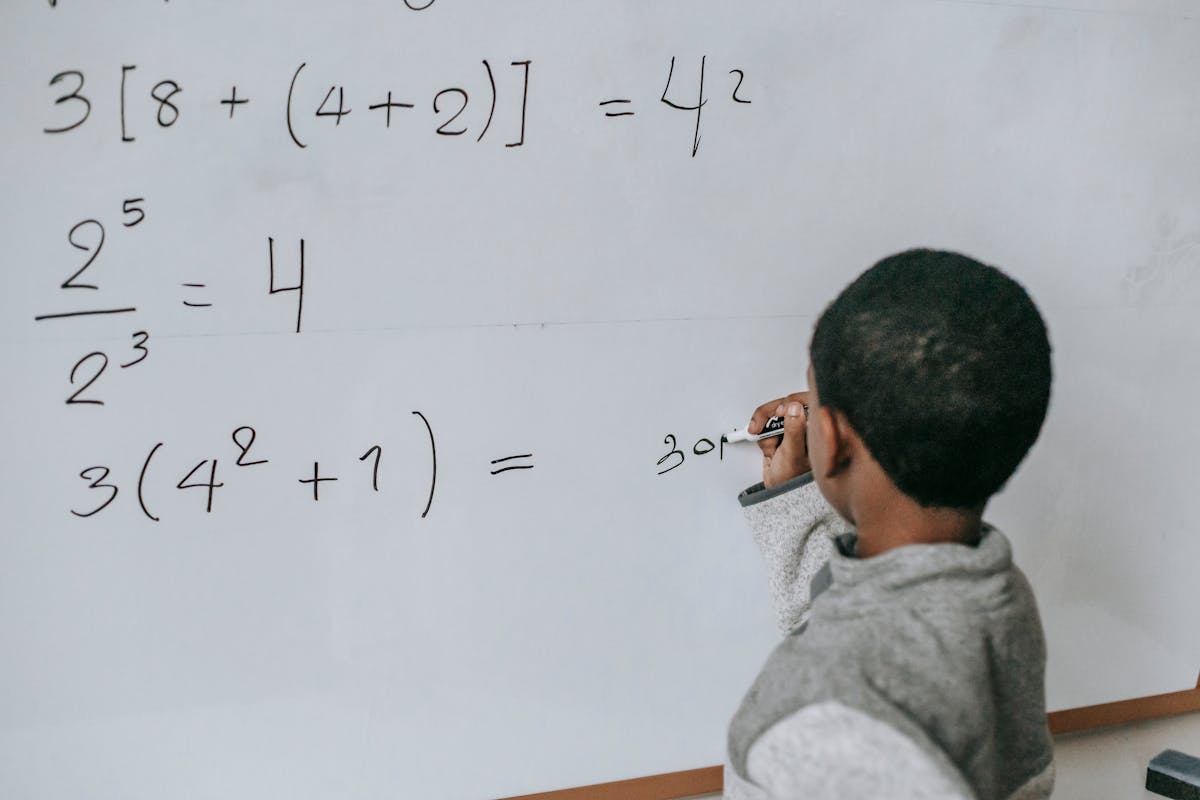
> Illustrative Student Learning Scenario. This article is a teaching illustration written by Think-Nth educators. It is not based on an identified Think-Nth student, and no grades, scores or outcomes described here are verified results.
Sometimes the difference in mathematics is not ability — it is having the right diagnosis, the right sequence, and a learning environment where questions are safe to ask.
At Think-Nth, confidence is built one problem at a time.
The scenario: "Alex"
Alex is a composite high school student created to illustrate a pattern our educators see often. Homework feels overwhelming, quizzes cause anxiety, and asking questions in class feels uncomfortable. Over time a student in this position starts to believe that being "bad at math" is simply part of who they are.
Identifying the challenge
Instead of looking only at incorrect answers, a Think-Nth assessment looks at where the reasoning breaks down. In a scenario like Alex''s, that usually surfaces as:
- Difficulty holding multi-step problems together
- Weak links between new concepts and prior learning
- Test anxiety under timed conditions
- Low confidence with unfamiliar question types
Rather than rushing through topics, the plan strengthens the foundation first.
Building confidence
Sessions emphasise understanding over memorisation, and small wins are made visible:
- Solving a problem independently
- Asking a thoughtful question
- Explaining mathematical thinking out loud
- Treating a mistake as information rather than failure
Each of these is something an educator can observe and record in a session note, so families can see development rather than guess at it.
What progress looks like
In the Think-Nth system, development is described across understanding, accuracy, independence, engagement and readiness — not a single number. A student like Alex typically moves from needing prompting on every step to attempting unfamiliar questions before asking for help. That shift is the point.
Math Lab practice supplies the evidence between sessions; live instruction supplies the educator observation. Together they form the learning picture a parent sees.
Lessons for every student
- A supportive learning environment
- Consistent, targeted practice
- Clear explanations
- Encouragement to keep trying
- Permission to learn from mistakes
Next step
If you would like a plan built around your student''s actual gaps, book a free 15-minute consultation or take the free math assessment.
